Illuminating Efficiency: How Linear Lights Transform Warehouse Lighting
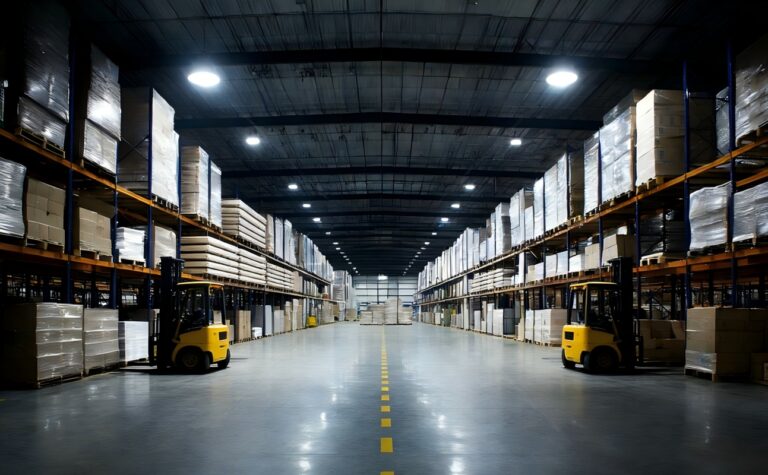
In the fast-paced world of logistics and warehousing, lighting is far more than a functional necessity—it’s a cornerstone of safety, productivity, and operational efficiency. As warehouses expand in scale and complexity, traditional lighting solutions like high-bay UFO fixtures or fluorescent tubes are increasingly falling short. Enter LED linear lights: a sleek, versatile, and high-performance alternative that is redefining warehouse illumination.
Why Linear Lights Are a Game-Changer for Warehouses
Warehouses demand lighting that balances uniform brightness, energy efficiency, and adaptability to diverse spaces—from high-ceiling storage areas to narrow picking aisles and loading docks. Linear lights excel in all these areas, offering unique advantages tailored to the industrial environment:
1. Uniform Illumination with Zero Dark Zones
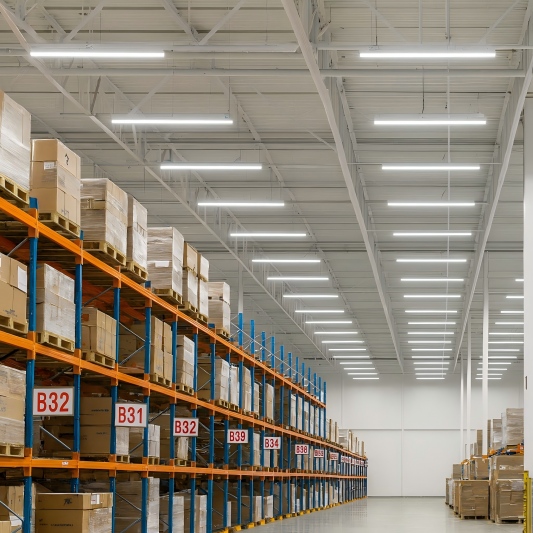
Unlike point-source fixtures that create uneven lighting and harsh shadows, linear lights feature an extended, continuous light-emitting surface. This design ensures consistent brightness across large open spaces, eliminating dark corners between shelves and reducing eye strain for workers. For picking and packing zones, where precision is critical, the even light distribution makes it easier to read labels, identify product details, and minimize errors.
2. Customizable Optics for Targeted Lighting
Modern linear lights come with adjustable beam angles and specialized optical designs, allowing warehouse managers to tailor lighting to specific areas:
Wide beam angles (120°+): Ideal for open storage areas with high ceilings (20–30 ft), casting broad, diffused light to cover large expanses.
Narrow or asymmetric beams: Perfect for aisle lighting, directing light downward and inward to focus illumination on shelves and picking paths while reducing glare on forklift operators.
Dock-specific optics: Mounted perpendicular to loading doors, linear lights with forward-throw optics can project light 15+ feet into trailers, ensuring visibility even as cargo is loaded or unloaded.
3. Energy Efficiency That Cuts Operational Costs
LED linear lights boast exceptional energy efficiency, with light output reaching 150–200 lumens per watt—far surpassing traditional metal halide or fluorescent fixtures. When paired with smart controls like motion sensors, daylight harvesting, or dimming systems (0-10V or DALI), they can reduce energy consumption by 60–80% compared to outdated lighting setups. For warehouses operating 24/7, these savings translate to significant cost reductions over time, often recouping the initial investment in just 1–2 years.
4. Durability for Harsh Industrial Environments
Warehouses are tough on equipment, with exposure to dust, moisture, temperature fluctuations, and occasional impacts. High-quality linear lights are built to withstand these conditions, with IP ratings ranging from IP20 for dry indoor spaces to IP67 for wet or dusty areas like cold storage or loading docks. Robust aluminum housings and sealed optics protect internal components, ensuring a lifespan of 50,000–100,000 hours—minimizing maintenance and replacement costs.
5. Flexible Installation and Scalability
Linear lights’ slim, modular design offers unmatched installation flexibility:
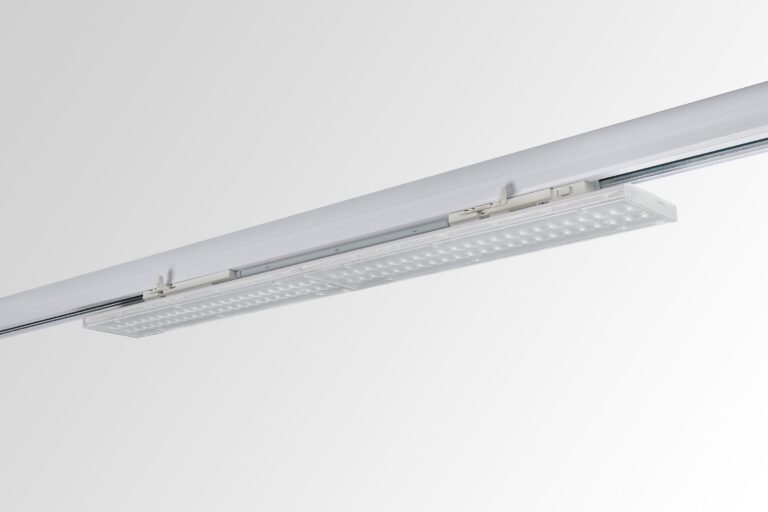
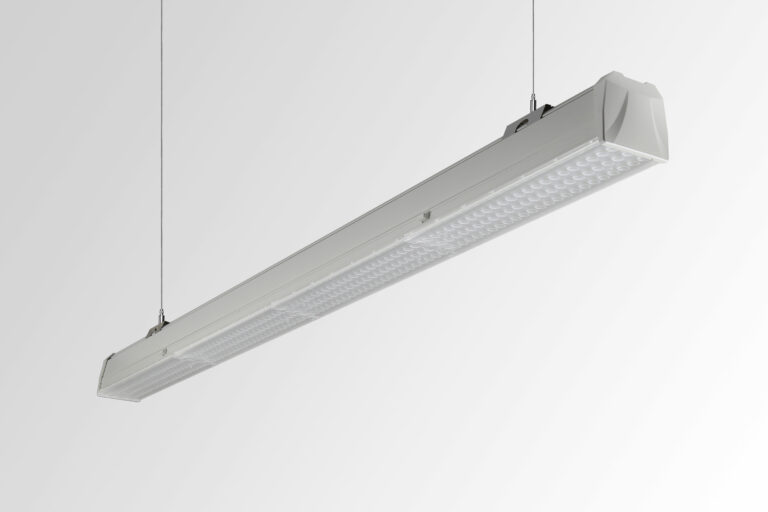
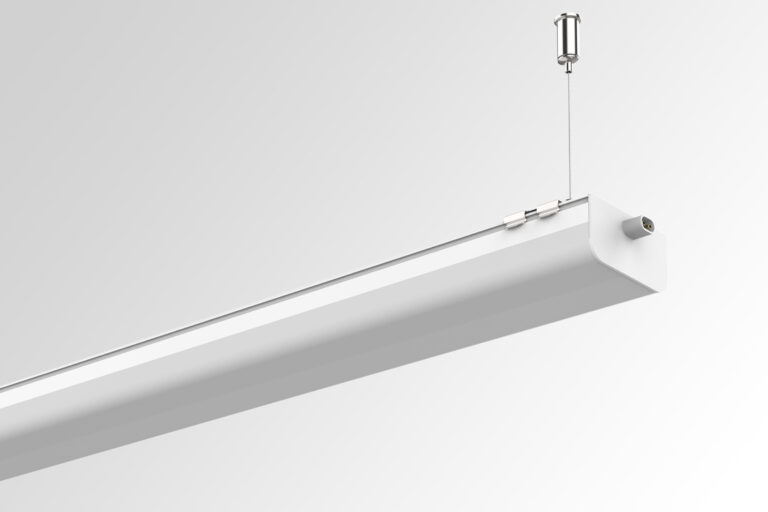
Mounting options: They can be suspended from ceilings, mounted on walls, or attached directly to shelves, adapting to any warehouse layout.
Modular connectivity: Many models support seamless end-to-end connection, allowing users to create continuous light strips without visible gaps.
Scalable control systems: Wireless smart controllers enable grouping of lights, scheduling, and remote adjustment—critical for warehouses with evolving needs, such as changing tenant requirements or seasonal inventory fluctuations.
Integrate Smart Controls for Maximum Efficiency
Pair linear lights with intelligent control systems to automate lighting based on activity:
Motion sensors: Dim lights to 20% brightness in unoccupied aisles and ramp up to full brightness when workers or forklifts are present.
Daylight harvesting: Use sensors to adjust artificial light levels in areas with natural sunlight, reducing unnecessary energy use.
Scheduling: Program lights to brighten during peak operating hours and dim during off-peak periods, aligning with shift schedules.
Real-World Results: Transforming Warehouse Operations
A 66,000-square-foot distribution center in Malaysia recently upgraded its lighting to LED linear lights with wireless smart controls, achieving remarkable results:
30% reduction in energy costs due to automated dimming and motion sensing.
Improved worker productivity with uniform illumination that reduced eye strain and picking errors by 15%.
Scalable flexibility to adjust lighting zones as the warehouse welcomed new tenants with unique layout needs.
The Future of Warehouse Lighting
As warehouses evolve into smart, automated hubs, linear lights will play an increasingly central role. Emerging innovations like UV-C integrated linear lights offer dual functionality, providing illumination while disinfecting high-touch areas like conveyor belts and packaging stations. Additionally, integration with warehouse management systems (WMS) will enable lighting to sync with operational workflows—for example, brightening specific aisles when a picking order is generated.
In conclusion, LED linear lights are more than a lighting upgrade; they are a strategic investment in warehouse safety, efficiency, and sustainability. By combining uniform illumination, energy savings, and adaptability, they address the unique challenges of modern warehousing while laying the groundwork for future-ready operations.