LED Linear Lights: Illuminating the Modern Supermarket Experience
In the evolving world of retail, supermarkets are redefining the shopping journey, and LED linear lights are at the forefront of this transformation. Moving beyond mere illumination, these lights are reshaping how shoppers interact with the space and how stores operate, making them an essential component of the modern supermarket.
Elevating the Visual Appeal of Products
LED linear lights are engineered to enhance the visual allure of supermarket merchandise. With a Color Rendering Index (CRI) of 90 and above, they accurately reproduce the true hues of products, making fresh produce look more vibrant, packaged goods stand out on crowded shelves, and even the smallest details on labels easily readable. This heightened visual appeal can significantly influence shoppers’ purchasing decisions, as products that appear fresh and high-quality are more likely to be chosen.
For example, in the fresh produce section, LED linear lights can make apples appear more luscious, tomatoes look riper, and leafy greens seem fresher, increasing their desirability. In the bakery aisle, they can accentuate the golden crust of bread and the intricate details of pastries, making these items more enticing. By ensuring products look their best, LED linear lights not only boost sales but also enhance customer satisfaction.
Optimizing Store Layout and Navigation
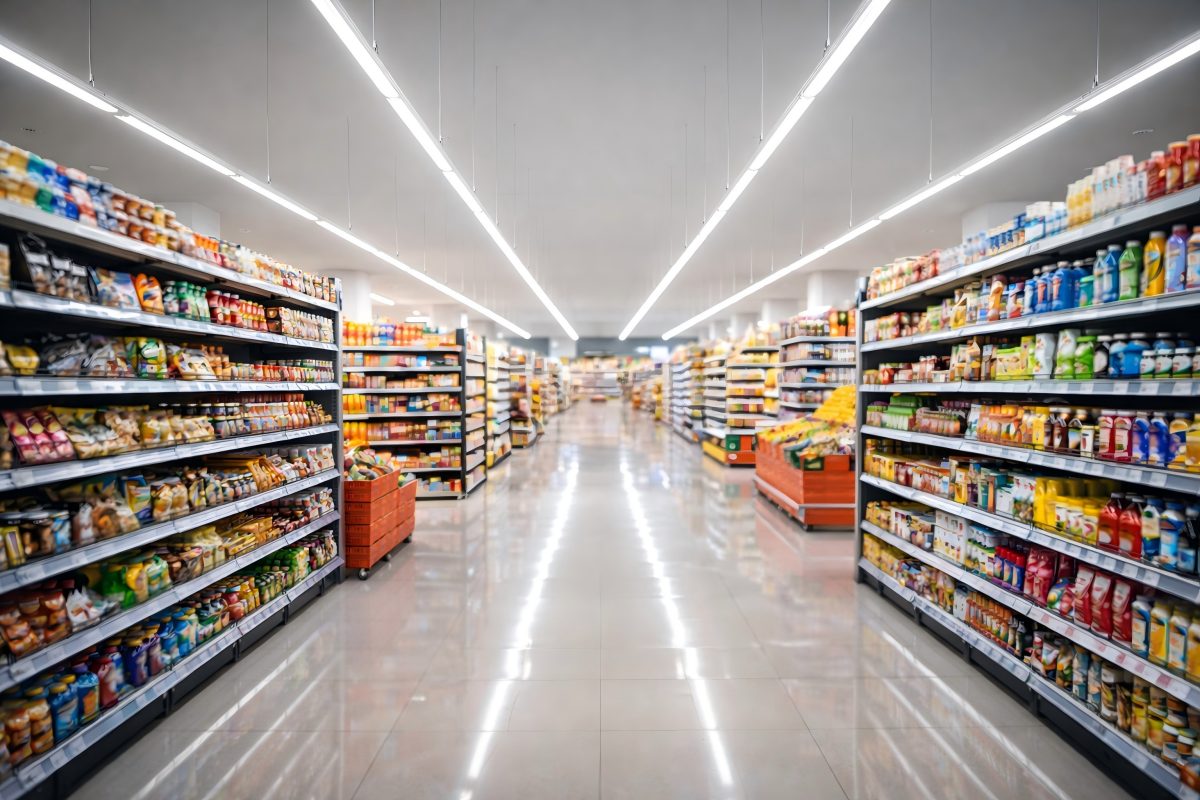
LED linear lights play a crucial role in optimizing supermarket layout and navigation. Their uniform, glare-free illumination eliminates dark spots and shadows, ensuring every corner of the store—from the entrance to the back aisles—is clearly visible. This consistent lighting enhances customer navigation, making it easier for shoppers to find what they need and encouraging them to explore more sections.
Moreover, the lights can be strategically placed to guide shoppers through the store. For instance, brighter lighting can be used to highlight high-margin or promoted products, while softer lighting can be employed in areas where shoppers are encouraged to linger, such as the deli or prepared food sections. This thoughtful use of lighting can influence shopper behavior, increasing dwell time and driving foot traffic to specific areas.
Enhancing Operational Efficiency
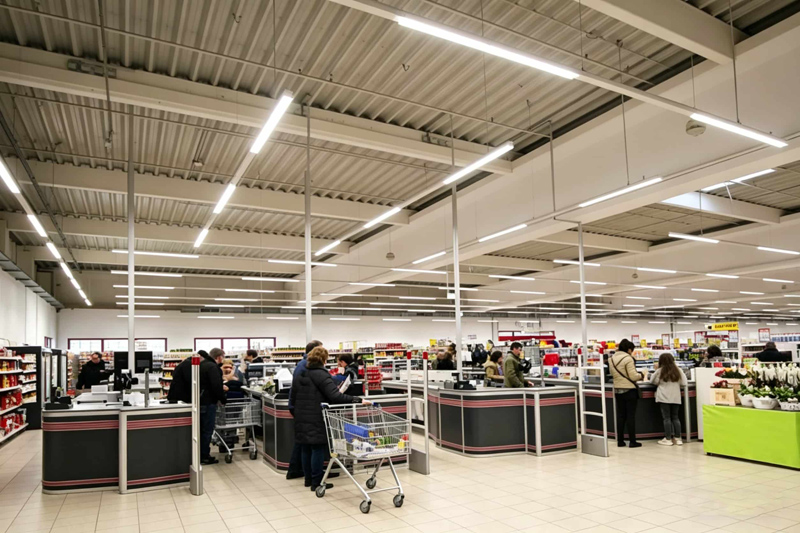
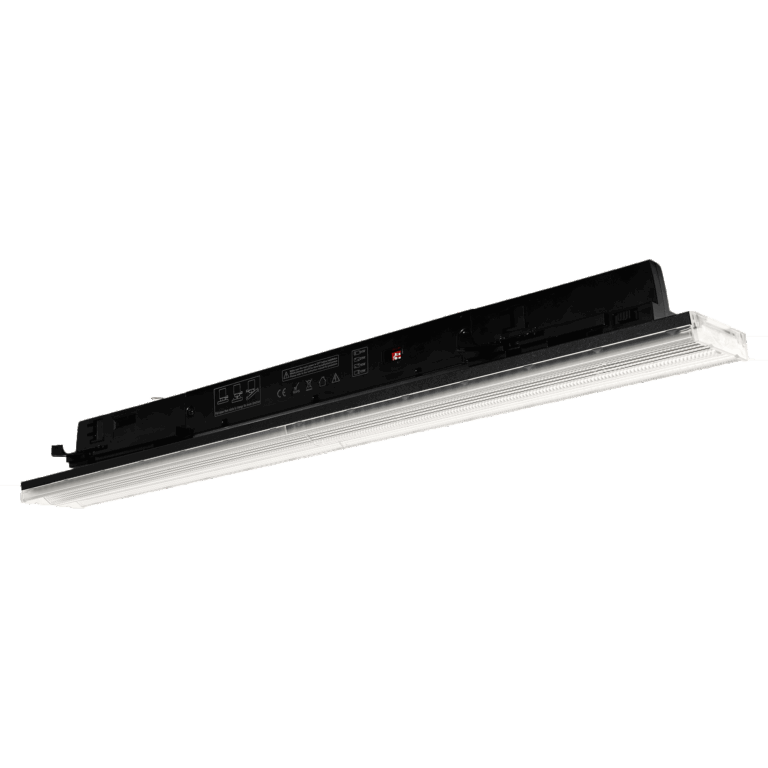
For supermarket staff, LED linear lights can make daily tasks more efficient and less taxing. The uniform illumination provided by these lights eliminates the need for employees to strain their eyes to see products or navigate the aisles, reducing eye fatigue and the likelihood of errors. In high-traffic areas such as checkout counters and service desks, surface-mounted linear lights with focused beams can be installed to highlight specific work areas, improving the speed and accuracy of transactions.
Additionally, the long lifespan of LED linear lights—over 60,000 hours—means fewer replacements and less downtime. This not only saves on maintenance costs but also ensures that the store remains well-lit at all times, even during busy shifts. The durability of these lights also reduces the risk of unexpected failures, minimizing disruptions to operations.
Reducing Environmental Impact and Costs
LED linear lights are a sustainable choice for supermarkets, aligning with the growing demand for environmentally friendly practices. They consume up to 70% less energy than traditional fluorescent tubes and incandescent bulbs, with a luminous efficacy of up to 150 lm/W. When paired with smart controls such as motion sensors, occupancy detection, and daylight harvesting systems, energy savings can exceed 85%.
Furthermore, LED linear lights are mercury-free, eliminating the risk of hazardous material disposal. Many manufacturers offer take-back programs for end-of-life disposal, ensuring that the lights are recycled responsibly. This commitment to sustainability can enhance a supermarket’s reputation as an eco-conscious business, appealing to environmentally aware shoppers.
Adapting to Diverse Store Environments
One of the most remarkable features of LED linear lights is their adaptability to various supermarket environments. Whether it’s a small neighborhood grocery store or a large hypermarket, there is a linear light solution that fits the space.
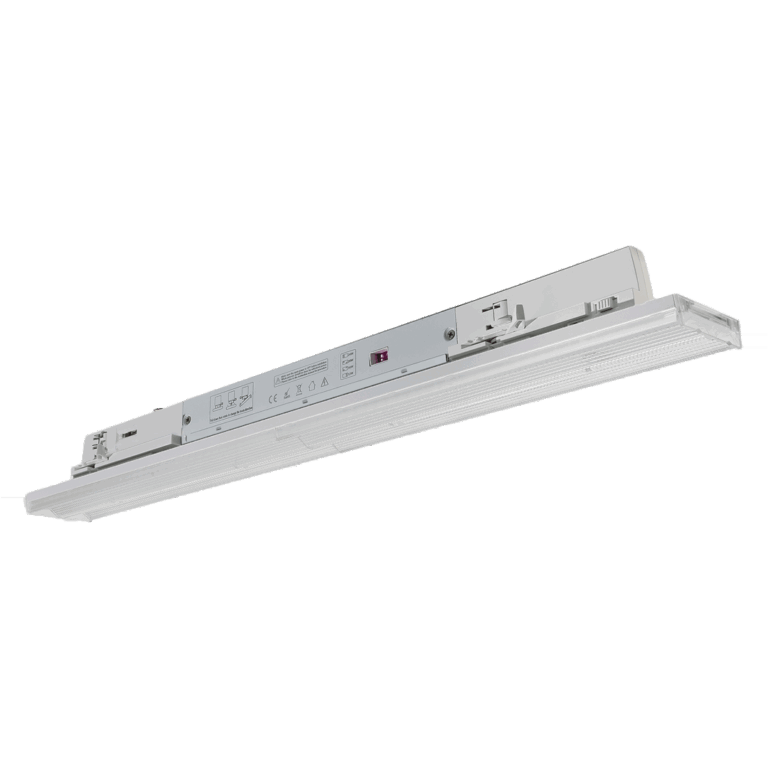
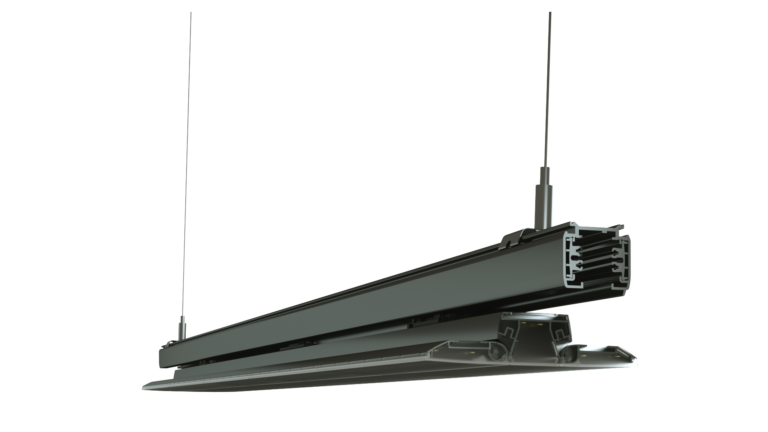
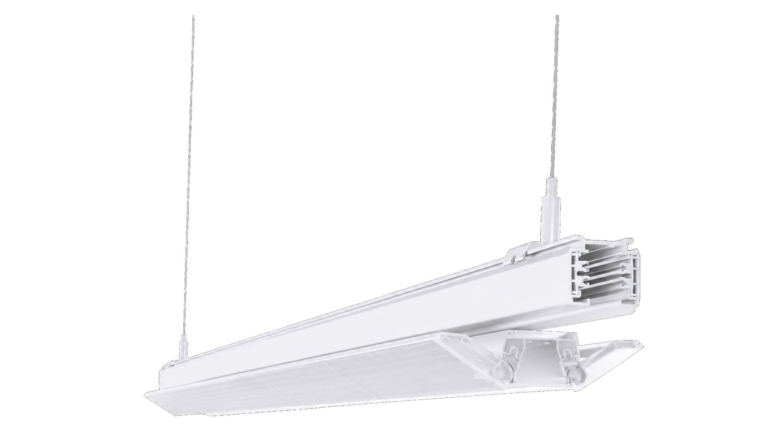
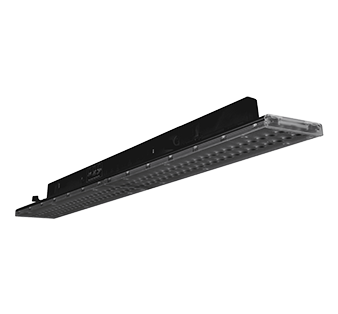
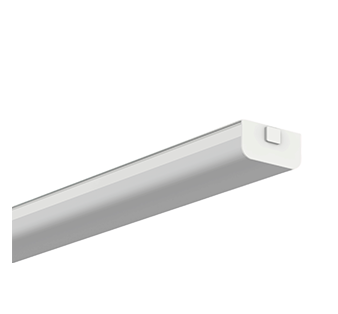
Main Aisles: Long, linear models with a 120° wide beam angle provide uniform illumination across large, open aisle spaces, ensuring consistent visibility of products and signage. These lights can be surface-mounted or recessed into the ceiling, depending on the store’s design and aesthetic preferences.
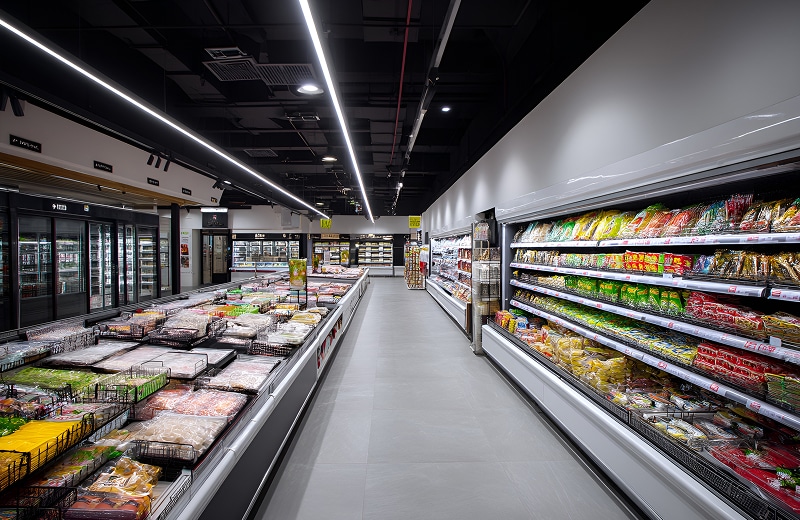
Refrigerated and Freezer Sections: IP65-rated LED linear lights are specifically designed to withstand the cold, damp, and sometimes humid conditions of refrigerated and freezer sections. Their water-resistant and corrosion-resistant properties ensure reliable performance, keeping chilled products well-lit and fresh-looking.
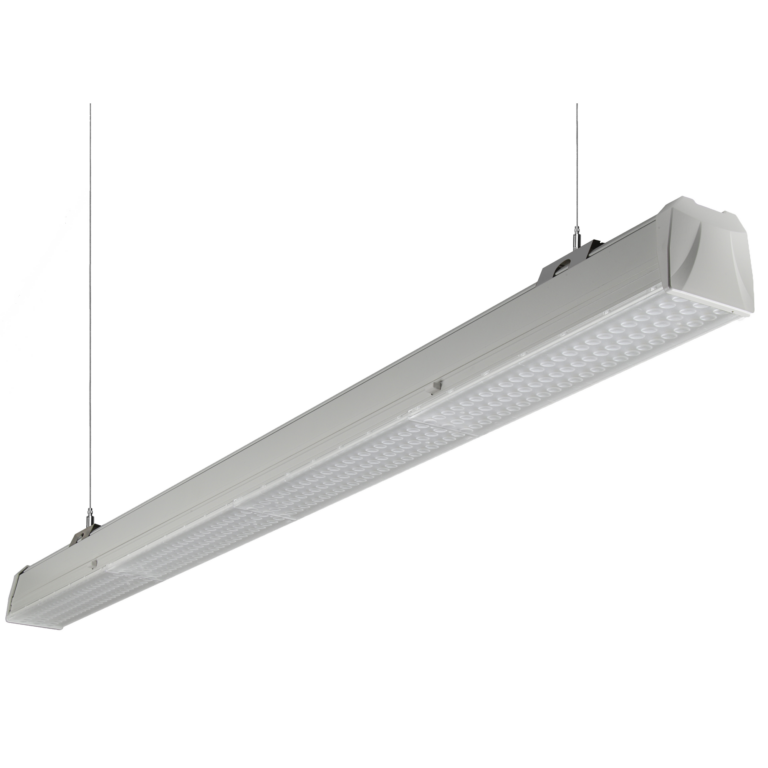
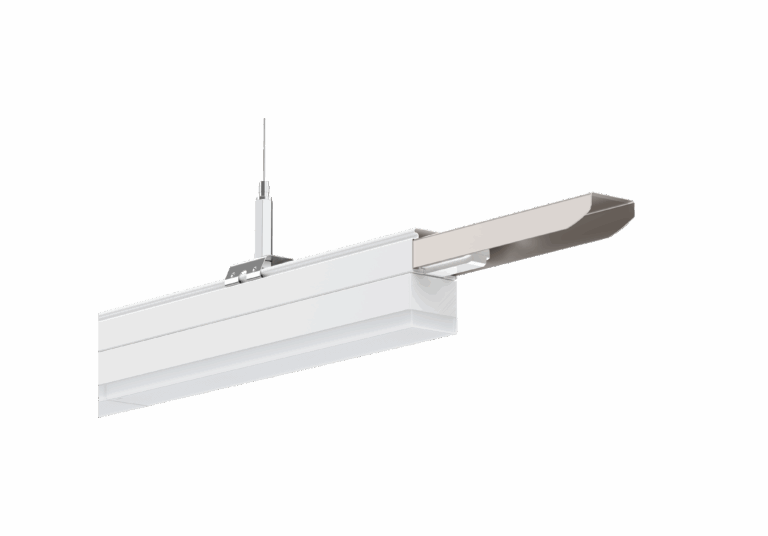
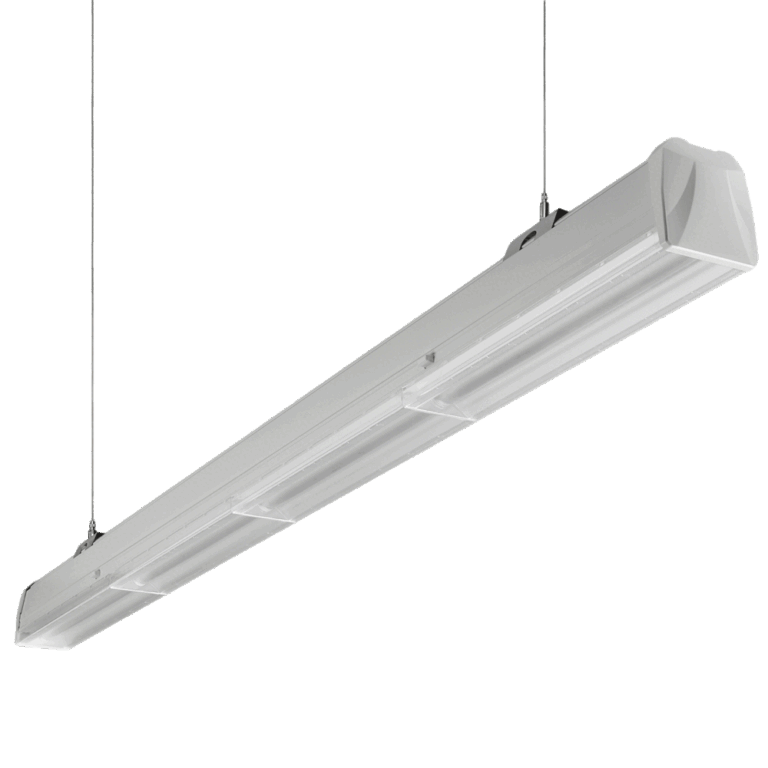
Specialty Display Areas: Suspended linear lights with adjustable mounting brackets offer targeted illumination for gourmet food sections, seasonal product displays, or promotional end-caps. This focused lighting draws attention to featured items, enhancing their visual appeal and encouraging shoppers to make purchases.
Back-of-House Areas: Rugged, industrial-grade linear lights are perfect for stockrooms, loading docks, and other back-of-house spaces. Their high luminosity and durability ensure that these areas are safe and easy to navigate for staff, improving operational efficiency in often-overlooked parts of the store.
Smart Integration for Future-Ready Supermarkets
The next generation of LED linear lights goes beyond basic illumination, offering smart connectivity features that enable supermarkets to operate more intelligently. By integrating with supermarket management systems, these lights can automatically adjust their brightness based on occupancy, time of day, and natural light levels, further maximizing energy efficiency.
They can also be linked with security systems to enhance surveillance coverage of aisles, checkout counters, and storage areas. For example, when a motion sensor detects movement in an unoccupied area, the lights can automatically turn on and trigger a security camera to start recording, providing an added layer of protection for both assets and personnel.
Additionally, when connected to inventory management systems, LED linear lights can help track product movement and optimize restocking schedules. For instance, if a light detects that a particular shelf has been emptied, it can send a signal to the inventory system, alerting staff to restock the area. This real-time data can enable managers to make data-driven decisions that improve overall productivity and reduce waste.
Conclusion
LED linear lights are more than just a lighting upgrade; they are a strategic investment in the future of supermarket retail. By enhancing the visual appeal of products, optimizing store layout and navigation, improving operational efficiency, reducing environmental impact and costs, and enabling smart integration, they empower supermarkets to stay competitive in an ever-changing industry.
As the retail landscape continues to evolve, LED linear lights will play a crucial role in shaping the supermarkets of tomorrow—where every aisle is inviting, every product looks its best, and every operation runs smoothly. If you need to adjust the focus, add specific scenarios, or refine the tone of the article, feel free to let me know!