Why High-Quality LED Linear Lighting Matters
Selecting a high-quality LED linear lighting system is essential for achieving reliable performance in commercial, industrial, and office environments. The right system not only improves visual comfort and spatial quality, but also contributes to long-term energy savings and reduced maintenance costs in professional projects. For contractors and project designers, lighting quality directly affects both operational efficiency and the final result of the installation.
Lighting Performance in Commercial & Industrial Applications
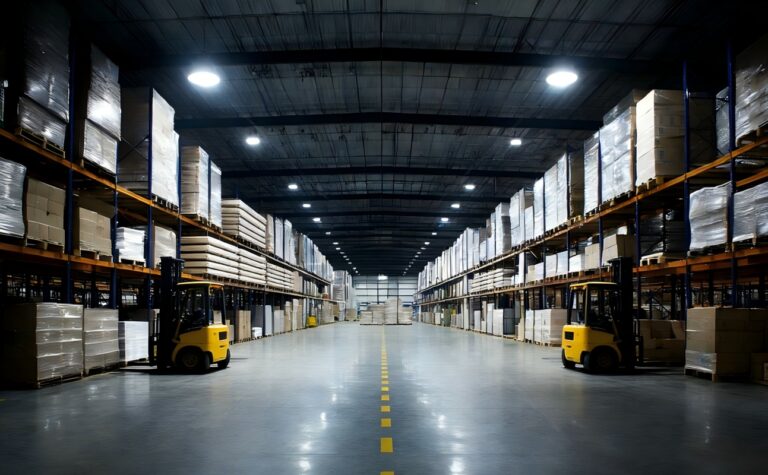
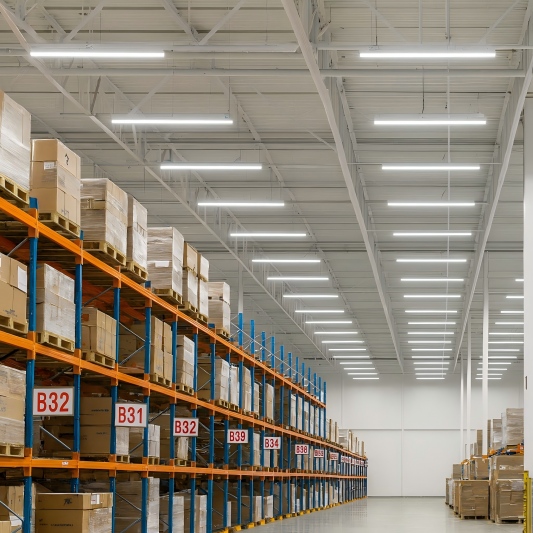
In commercial and industrial environments, lighting systems must deliver stable and efficient performance under continuous operation.
Key performance parameters include:
- Luminous efficacy: 120–150 lm/W
- Uniform light distribution across working areas
- Low glare performance (UGR < 19 for office applications)
- Stable lumen output over long operating periods
These factors ensure suitable illumination for offices, production areas, and commercial facilities.
Architectural Integration in Modern Spaces
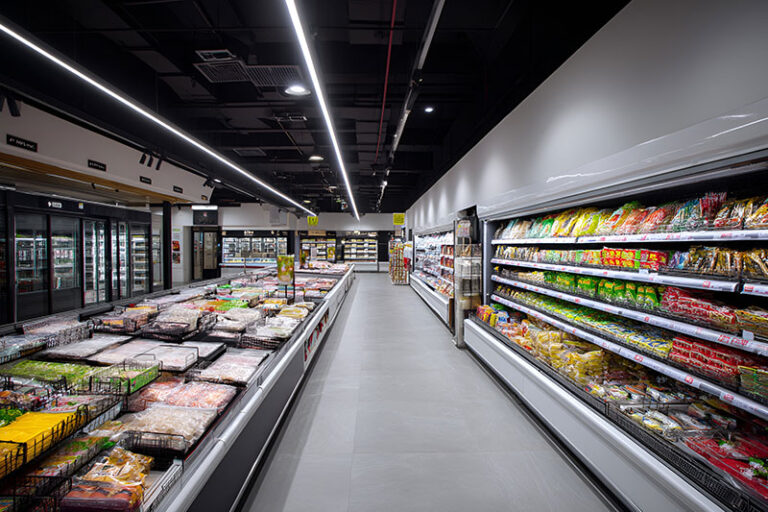
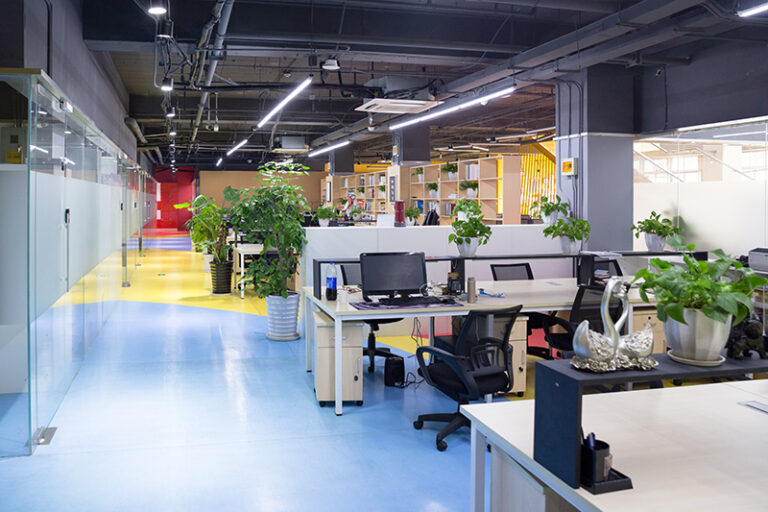
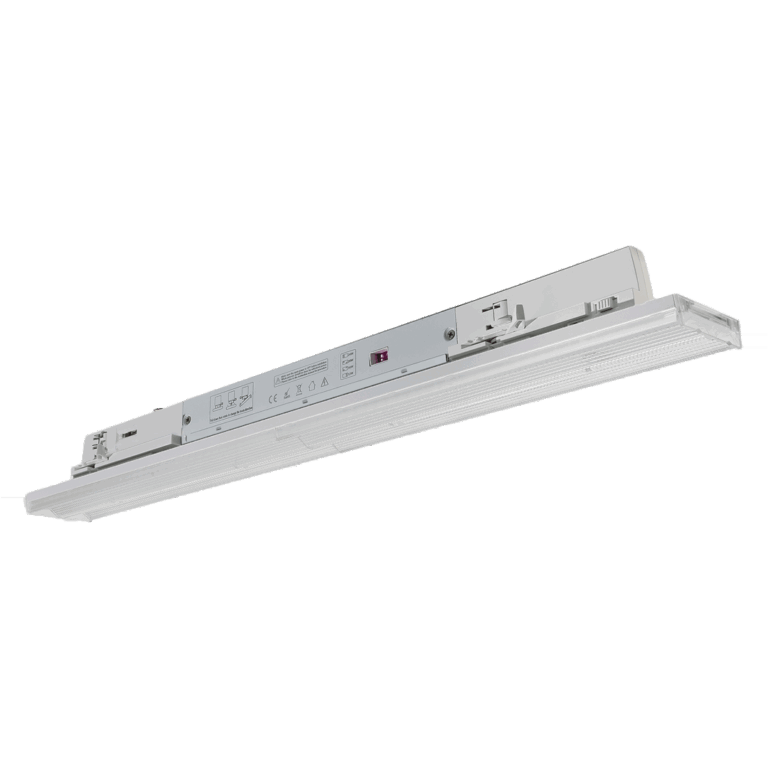
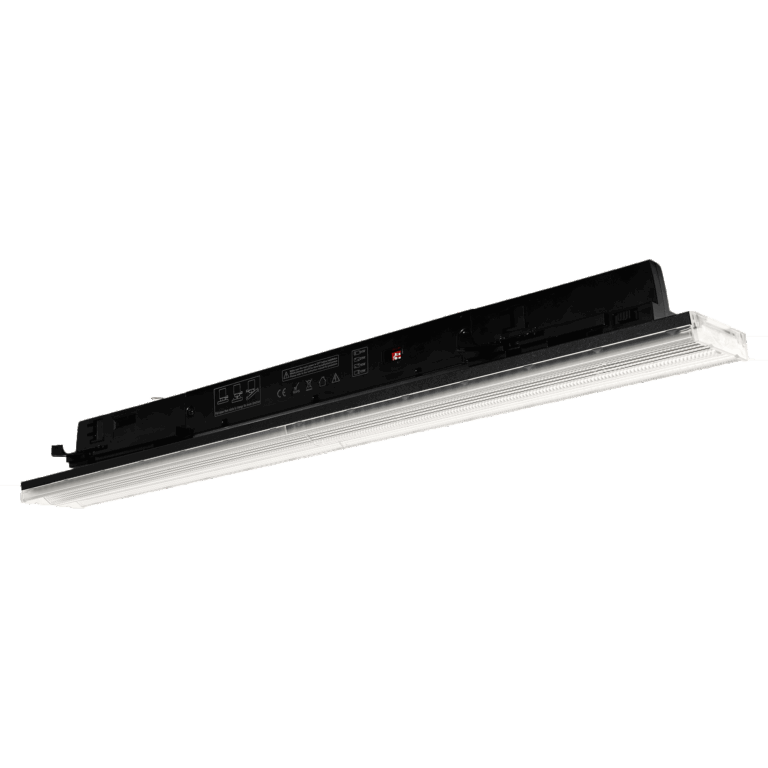
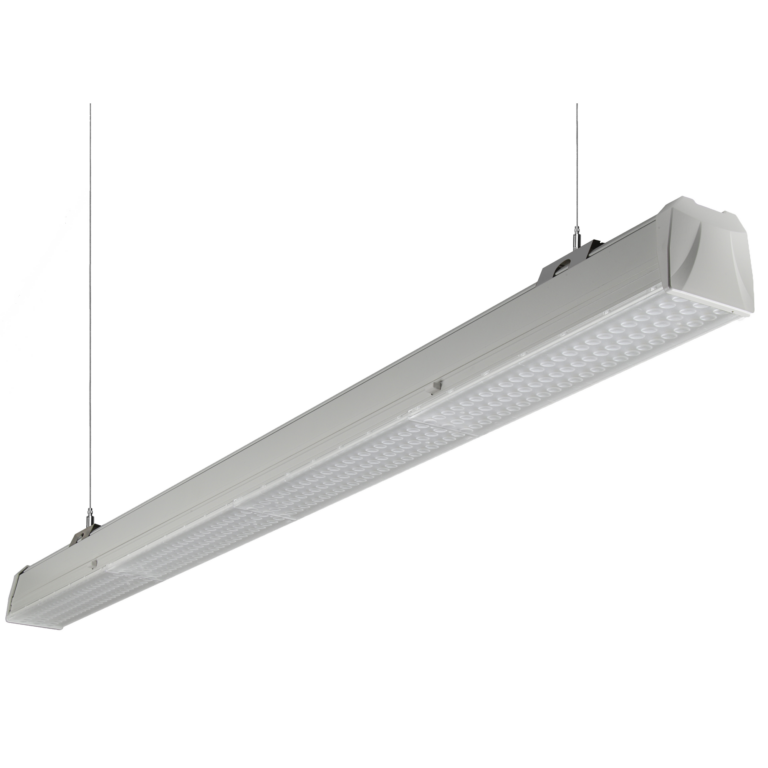
LED linear lighting is widely used in modern architectural projects where lighting is integrated into the spatial design. Common applications include continuous lighting lines, suspended installations, and recessed configurations that align with interior layouts.
Typical installation options include:
- Suspended linear systems
- Surface-mounted installations
- Recessed ceiling integration
This flexibility allows the lighting system to adapt to different architectural and design requirements.
Reliability for Long-Term Operation
For industrial and commercial projects, long-term reliability is a key selection factor. A professional LED linear lighting system should ensure stable performance throughout its service life.
Important reliability factors include:
- High-quality LED chips and driver systems
- Effective thermal management design
- Service life of 50,000+ hours
- Stable color consistency over time
These characteristics help reduce maintenance frequency and operational disruptions.
Smart Control System Compatibility
Modern lighting systems are increasingly integrated with building automation and energy management systems.
Common control options include:
- DALI / DALI-2 lighting control
- 0–10V dimming systems
- Casambi / Bluetooth wireless control solutions
These systems enable flexible lighting adjustment based on usage scenarios and energy efficiency requirements.
Compliance with European Standards
For European projects, compliance with regulatory standards is essential for product approval and installation.
- Typical requirements include:
- CE certification (LVD + EMC)
- RoHS compliance
- ErP energy efficiency regulations
These standards ensure that lighting systems meet safety, environmental, and energy performance requirements within the EU market.
Installation Efficiency in Project Applications
Installation efficiency plays an important role in reducing total project cost and execution time.
Modern LED linear systems are designed to simplify installation through:
- Modular connection systems
- Fast wiring and plug-in solutions
- Alignment-friendly mounting structures
These features help contractors achieve faster installation with improved accuracy and reduced labor effort.
Conclusion
LED linear lighting systems are widely used in modern commercial and industrial projects where efficiency, reliability, and flexibility are required. Selecting the right system based on performance, installation requirements, control compatibility, and compliance standards ensures long-term project success. For contractors, engineers, and project developers, a well-selected lighting system is a key factor in achieving stable and efficient lighting performance.