1. Introduction
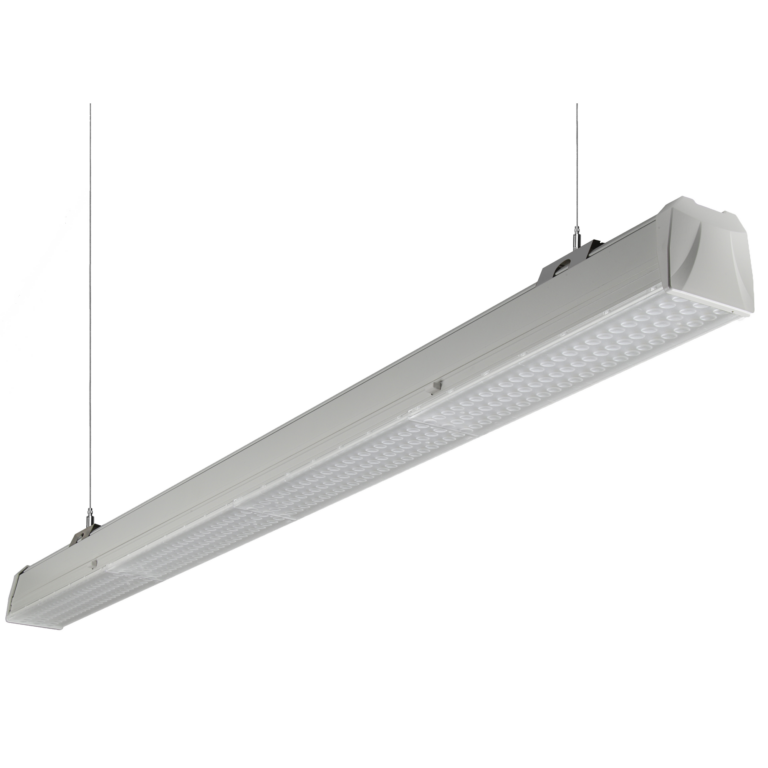
LED linear lighting systems are widely used in modern commercial, industrial, and office environments due to their efficiency, flexibility, and integration capability.
Compared to traditional lighting solutions, linear systems provide improved energy performance, better visual comfort, and more adaptable installation options for project-based applications
2. Core Components of LED Linear Lighting Systems
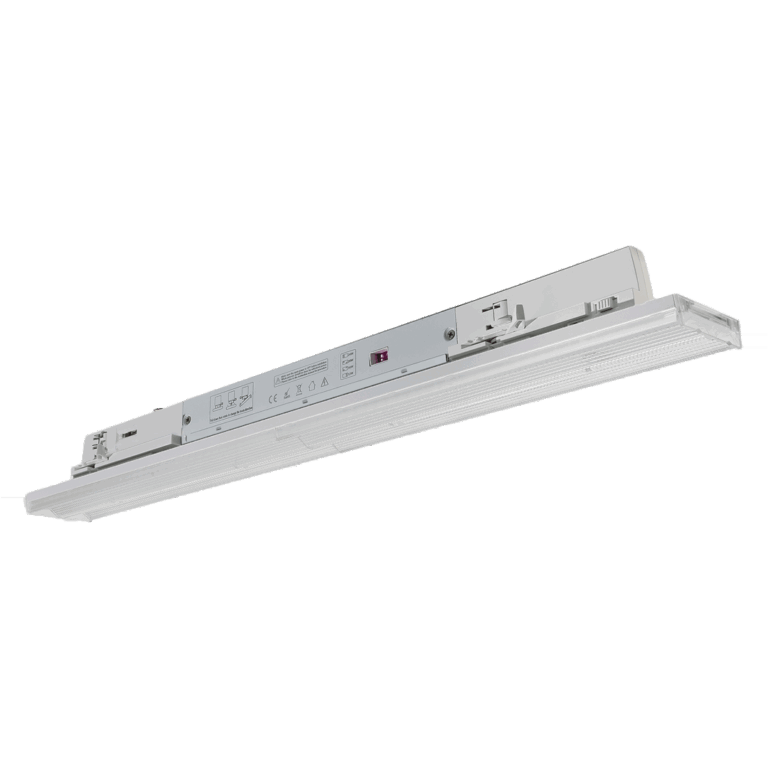
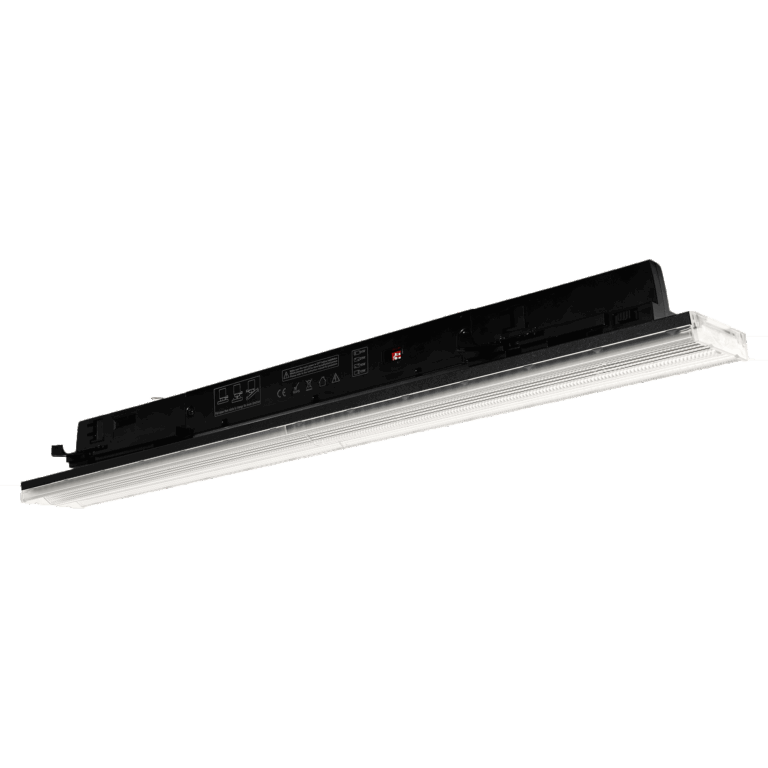
A professional LED linear lighting system consists of several key components that determine performance, reliability, and application suitability.
Optical System
High-efficiency 200lm/W
Diffuser materials: PMMA
Microprism optics for low glare (UGR < 16)
Beam distribution options: narrow / medium / wide
Driver System
Constant-current driver (PF ≥ 0.9, THD < 15%)
Flicker-free performance (IEEE 1789 compliant)
Dimming options: 0–10V, DALI, PWM, Bluetooth Mesh
Optional emergency module (1–3 hours)
Mechanical & Thermal System
Extruded aluminum housing
Surface finishing: anodizing / powder coating
Lifetime: L80 / L90 > 50,000 hours
Modular connectors and end cap
3. Lighting Performance in Commercial and Industrial Applications
Lighting performance is a key factor in selecting LED linear systems for professional environments.
Typical parameters include:
Luminous efficacy: 200lm/W
Color rendering: CRI 80 / 90 / 95
Color temperature: 3000K / 4000K / 5000K / tunable white
Low glare design: UGR < 16
These characteristics ensure suitable lighting conditions for offices, retail spaces, and industrial applications
4. Installation and System Configuration
LED linear lighting systems offer flexible installation options to suit different project requirements.
Common configurations include:
Suspended systems
Surface-mounted installation
Recessed and frameless integration
System flexibility:
Single fixtures or continuous lighting lines
Modular connection systems
Standard lengths: 600mm / 1200mm / 1500mm
These features support efficient installation and integration into different architectural layouts
5. Application Areas
LED linear lighting systems are widely used in:
– Office and workplace environments
Commercial and retail spaces
Industrial and technical areas
Educational facilities
Architectural lighting project
6. Technology Trends in LED Linear Lighting
LED linear lighting continues to evolve with advancements in efficiency, control, and system integration.
Key trends include:
Higher efficiency requirements (EU Ecodesign)
Integration with smart control systems (DALI-2/wireless/PoE)
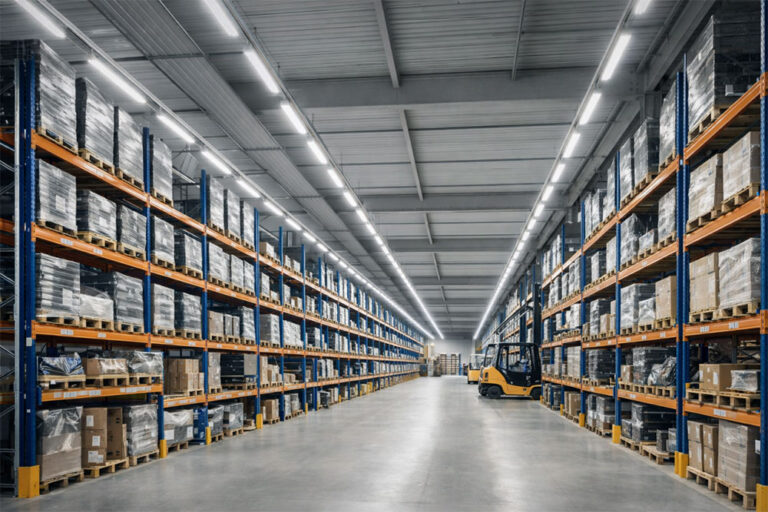
Growth of linear trunking systems for industrial applications
Improved low-glare optical design for workplace lighting
7. Conclusion
LED linear lighting systems provide a combination of efficiency, flexibility, and reliability for modern lighting projects.
With continuous improvements in performance and control technologies, linear lighting remains a key solution for commercial, industrial, and office applications.